Academics
At Mount Learner Academy, our academic system is designed to develop knowledge, creativity, critical thinking, and strong moral values in students. Each department works with dedication to provide interactive, activity-based, and technology-supported learning for the holistic development of every child.
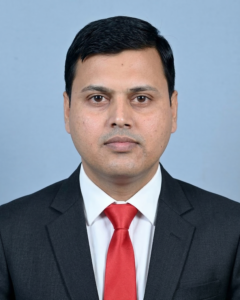
PGT - Mr. Abid Khan
Head of Department
English
English Department
The English Department aims to develop strong communication and language skills among students. Through engaging classroom activities, students improve their reading, writing, speaking, and listening abilities.
Key Activities
Storytelling and reading sessions
Poetry recitation and creative writing
Debate and speech competitions
Grammar and vocabulary building activities.
These activities help students become confident communicators and creative thinkers.
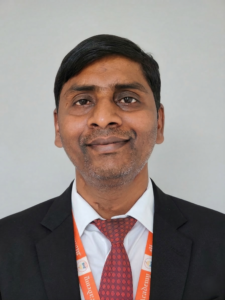
PGT - Mr. Surendra Kr Patel
Head of Department
Mathematics
Mathematics Department
The Mathematics Department focuses on building logical thinking, analytical skills, and problem-solving ability. Teachers use innovative methods to make mathematics interesting and practical.
Teaching Methodology
- Concept-Based Learning – Focus on clear understanding of mathematical concepts.
- Logical Thinking – Encourage analytical and problem-solving skills.
- Interactive Teaching – Students participate through questions and discussions.
- Practical Examples – Use real-life examples to make learning easy and interesting.
Key Activities
- Mental math exercises
- Mathematics quizzes and puzzles
- Concept-based learning activities
- Real-life problem solving
These activities help students develop strong mathematical reasoning and confidence.
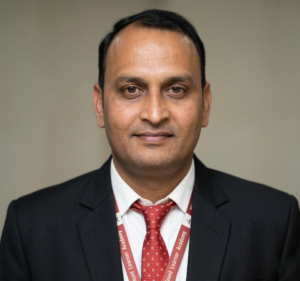
PGT - Mr. Akhilesh Singh
Head of Department
Science
Science Department
The Science Department encourages curiosity, observation, and scientific thinking. Students learn concepts through experiments, projects, and practical demonstrations.
Key Activities
Science experiments and demonstrations
Model making and project work
Science exhibitions and presentations
Environmental awareness activities
This hands-on learning approach helps students understand science in a practical and meaningful way.
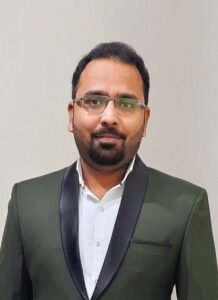
PGT - Mr. Samir Mishra
Head of Department
Commerce
Commerce Department
The Commerce Department aims to develop analytical, financial, and entrepreneurial skills among students. We prepare students for higher education, professional courses, and real-world business challenges.
Teaching Methodology
- Concept-based interactive teaching
- Use of case studies and real-life examples
- Regular tests, assignments, and presentations
- Integration of digital tools and smart classes
Career Opportunities in Commerce
- CharteredAccountant (CA)
- Company Secretary (CS)
- Business Management (BBA/MBA)
- Banking & Finance
- Entrepreneurship
Key Activities
- To build strong conceptual clarity in commerce subjects
- To enhance decision-making and problem-solving skills
- To develop financial literacy and business awareness
- To prepare students for CA, CS, CMA, CUET, and other competitive exams
Commerce education is not just about numbers, but about understanding the dynamic world of business and finance. Our goal is to nurture confident, skilled, and responsible future professionals.
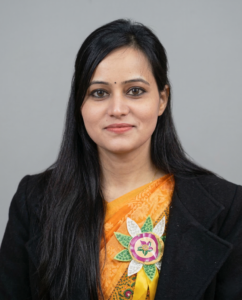
PGT - Mrs. Shalaka Singh
Head of Department
Social Studies
Social Science Department
The Social Science Department helps students understand history, geography, culture, and civic responsibilities. The focus is on making students aware and responsible citizens.
Key Activities
Storytelling and reading sessions
Poetry recitation and creative writing
Debate and speech competitions
Grammar and vocabulary building activities
These activities help students develop global awareness and social responsibility.
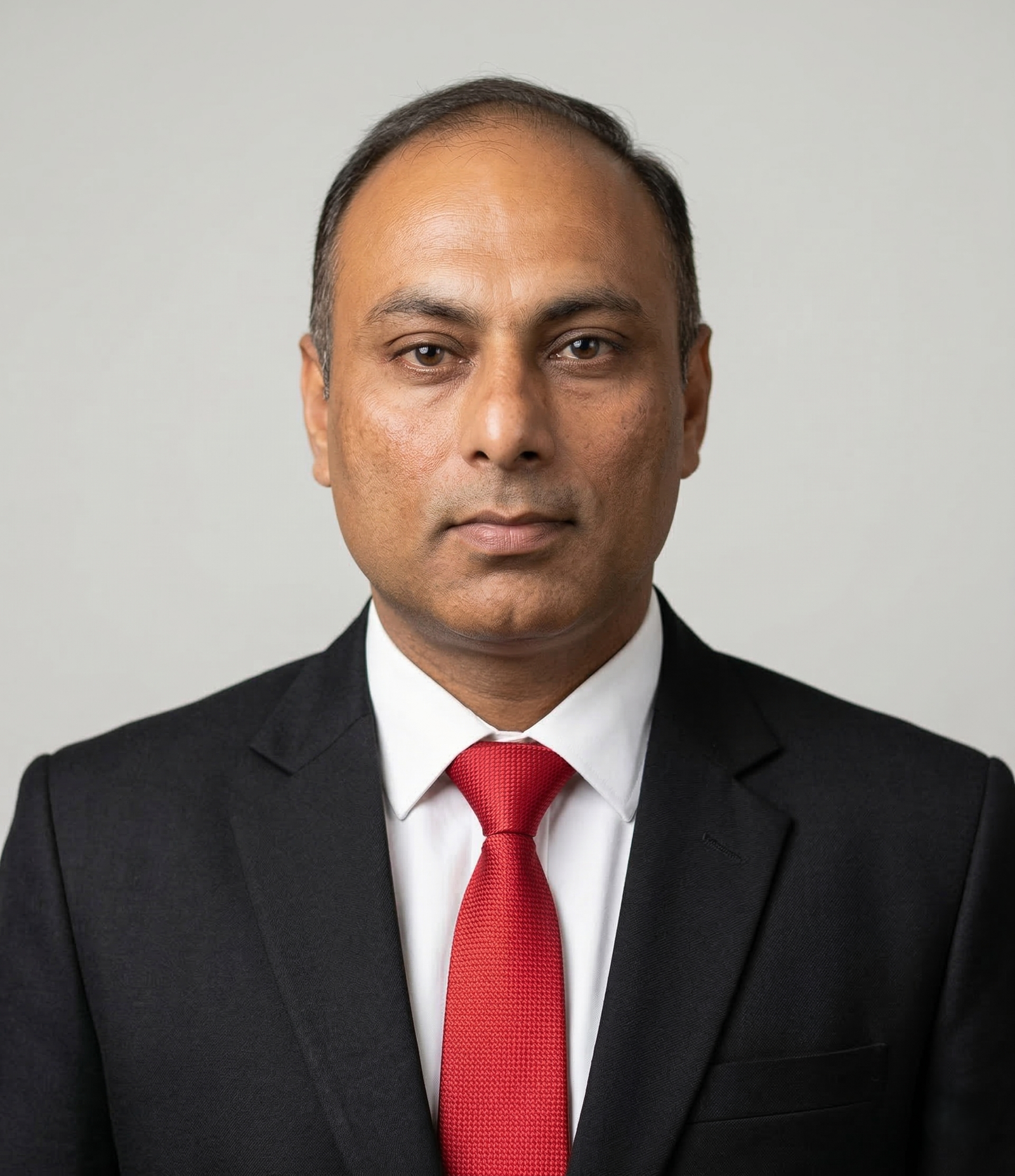
PGT - Mr. Ashish Singh
Head of Department
Computer Science
Computer Department
The Computer Department prepares students for the digital world by developing their technological skills and digital literacy.
Key Activities
- Basic computer education
- Coding and programming basics
- Digital projects and presentations
- Internet safety awareness
Students gain practical knowledge of technology and modern digital tools.